
Stress Symptoms, Signs, Causes, and Coping Tips
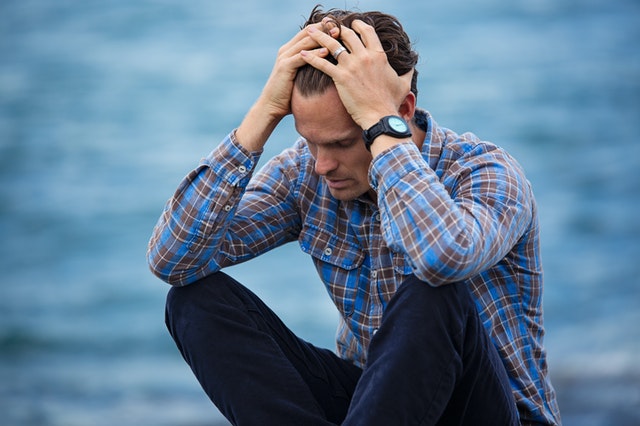
Understanding the Harmful Effects of Stress and What You Can Do About It
The trouble is that modern life is so full of frustrations, deadlines, and demands that many of us don’t even realize how stressed we are. By recognizing the symptoms and causes of stress, you can take the first steps to reducing its harmful effects and improving your quality of life.
What is stress?
Stress is your body’s way of responding to any kind of demand or threat. When you feel threatened, your nervous system responds by releasing a flood of stress hormones, including adrenaline and cortisol, which rouse the body for emergency action. Your heart pounds faster, muscles tighten, blood pressure rises, breath quickens, and your senses become sharper. These physical changes increase your strength and stamina, speed your reaction time, and enhance your focus. This is known as the “fight or flight” or mobilization stress response and is your body’s way of protecting you.
When stress is within your comfort zone, it can help you to stay focused, energetic, and alert. In emergency situations, stress can save your life—giving you extra strength to defend yourself, for example, or spurring you to slam on the brakes to avoid an accident. Stress can also help you rise to meet challenges. Stress is what keeps you on your toes during a presentation at work, sharpens your concentration when you’re attempting the game-winning free throw, or drives you to study for an exam when you’d rather be watching TV. But beyond your comfort zone, stress stops being helpful and can start causing major damage to your mind and body.
The body’s stress response
When you need (or think you need) to defend yourself or run away from danger, your body prepares for mobilization. The nervous system rouses for emergency action—preparing you to either fight or flee from the danger at hand.
If mobilization fails, the body freezes instead, a response known as immobilization. In extreme, life-threatening situations, you may even lose consciousness, enabling you to survive high levels of physical pain. This can leave you traumatized or unable to move on.
The effects of chronic stress
The body’s nervous system often does a poor job of distinguishing between daily stressors and life-threatening events. If you’re stressed over an argument with a friend, a traffic jam on your commute, or a mountain of bills, for example, your body can still react as if you’re facing a life-or-death situation.
When you repeatedly experience the mobilization or fight-or-flight stress response in your daily life, it can lead to serious health problems. Chronic stress disrupts nearly every system in your body. It can shut down your immune system, upset your digestive and reproductive systems, raise blood pressure, increase the risk of heart attack and stroke, speed up the aging process and leave you vulnerable to many mental and physical health problems.
Health problems caused or exacerbated by stress include:
- Depression and anxiety
- Depression>Weight problems
- Depression>Auto immune diseases
- Depression>Skin conditions, such as eczema
- Depression>Reproductive issues
- Depression>Pain of any kind
- Depression>Heart disease
- Depression>Digestive problems
- Depression>Sleep problems
- Depression>Cognitive and memory problems
Signs and symptoms of chronic stress or stress overload
The following table lists some of the common warning signs and symptoms of chronic stress. The more signs and symptoms you notice in yourself, the closer you may be to stress overload.
- Cognitive Symptoms
- Memory problems
- Inability to concentrate
- Poor judgment
- Seeing only the negative
- Anxious or racing thoughts
- Constant worrying
- Emotional Symptoms
- Depression or general unhappiness
- Anxiety and agitation
- Moodiness, irritability, or anger
- Feeling overwhelmed
- Loneliness and isolation
- Other mental or emotional health problems
- Physical Symptoms
- Aches and pains
- Diarrhea or constipation
- Nausea, dizziness
- Chest pain, rapid heartbeat
- Loss of sex drive
- Frequent colds or flu
- Behavioral Symptoms
- Eating more or less
- Sleeping too much or too little
- Withdrawing from others
- Procrastinating or neglecting responsibilities
- Using alcohol, cigarettes, or drugs to relax
- Nervous habits (e.g. nail biting, pacing)
Causes of stress
The factors that cause stress are known as stressors. We usually think of stressors as being negative, such as an exhausting work schedule or a rocky relationship. However, anything that puts high demands on you can be stressful. This includes positive events such as getting married, buying a house, going to college, or receiving a promotion.
Of course, not all stress is caused by external factors. Stress can also be internal or self-generated, when you worry excessively about something that may or may not happen, or have irrational, pessimistic thoughts about life.
- Common external causes of stress
- Major life changes
- Work or school
- Relationship difficulties
- Financial problems
- Being too busy
- Children and family
- Common internal causes of stress
- Chronic worry
- Pessimism
- Negative self-talk
- Unrealistic expectations/Perfectionism
- Rigid thinking, lack of flexibility
- All-or-nothing attitude
We’re all different. Some people seem to be able to roll with life’s punches, while others tend to crumble in the face of small obstacles or frustrations. Some people even thrive on the excitement of a high-stress lifestyle. For example, your morning commute may make you anxious and tense because you worry that traffic will make you late. Others, however, may find the trip relaxing because they allow more time and enjoy listening to music while they drive.
What’s stressful for you?
Karen is terrified of getting up in front of people to perform or speak, while her best friend, Nina, lives for the spotlight.
Phil thrives under pressure and performs best when he has a tight deadline, while his co-worker Matt shuts down when work demands escalate.
Anita enjoys helping her elderly parents. Her sister, Constance, helps out as well but finds the demands of caretaking very stressful.
Factors that influence your stress tolerance
Your resiliency to stress depends on many factors, but there are steps you can take to improve your tolerance and handle more setbacks and challenges without becoming overwhelmed by stress.
Emotional awareness. Many of us are so used to being overloaded with stress that we don’t even notice it anymore. Feeling stressed feels normal. But awareness of what you’re feeling, physically and emotionally, can have a profound effect on both your stress tolerance and how you go about reducing stress. Having the emotional awareness to recognize when you’re stressed and then being able to calm and soothe yourself can increase your tolerance to stress and help you bounce back from adversity. It’s a skill that can be learned at any age with HelpGuide’s free emotional intelligence toolkit.
The quality of your relationships and support network. Social engagement has always been a human being’s most evolved response to life’s stressors. So it’s no surprise that people with a strong network of friends and family—with whom they’re comfortable sharing emotions—are better able to tolerate stress. On the flip side, the more lonely and isolated you are, the less opportunity you have for social engagement and the greater your vulnerability to stress.
Physical activity. Regular exercise can lift your mood and serve as a distraction to your worries, allowing you to find some quiet time and break out of the cycle of negative thoughts that feed stress and anxiety.
Diet. The food you eat can improve or worsen your mood and affect your ability to cope with life’s stressors. Eating a diet full of processed and convenience food, refined carbohydrates, and sugary snacks can worsen symptoms of stress while eating a diet rich in fresh fruit and vegetables, high-quality protein, and healthy fats, especially omega-3 fatty acids, can help you better cope with life’s ups and downs.
Other factors that influence your stress tolerance
Your sense of control – It’s easier to take stress in your stride if you have confidence in your ability to influence events and persevere through challenges. This is why hardship or persistent money worries can be major stressors for so many of us. If you feel like things are out of your control, you’re likely to have less tolerance for stress.
Your attitude and outlook – Hopeful people are often more stress-hardy. They tend to embrace challenges, have a stronger sense of humor, and accept change as an inevitable part of life.
Your knowledge and preparation – The more you know about a stressful situation, including how long it will last and what to expect, the easier it is to cope. For example, if you go into surgery with a realistic picture of what to expect post-op, a painful recovery will be less stressful than if you were expecting to bounce back immediately.
Tips for coping with stress
Whether you’re trying to build your tolerance to stress or cope with its symptoms, you have much more control over stress than you might think. Unfortunately, many of us try to deal with stress in ways that only compound the problem. We drink too much to unwind at the end of a stressful day, fill up on comfort food, zone out in front of the TV for hours, use pills to relax, or lash out at other people. However, there are many healthier and more effective ways to cope with stress and its symptoms.
Coping with stress and its symptoms tip 1: Get moving
This is something you can do right now to help yourself start to feel better. Activities that require moving both your arms and your legs are particularly effective at managing stress. Rhythmic exercises such as walking, running, swimming, dancing, and aerobic classes are good choices, especially if you exercise mindfully (focusing your attention on the physical sensations you experience as you move). If you’ve been traumatized or experienced the immobilization stress response, mindfully exercising in this way can help you to become “unstuck” and move on.
Coping with stress and its symptoms tip 2: Engage socially
The simple act of talking face to face with another human can trigger hormones that relieve stress when you’re feeling uncomfortable, unsure, or unsafe. Even just a brief exchange of kind words or a friendly look from another human being can help calm and soothe your nervous system. Being helpful and friendly to others delivers stress-reducing pleasure as well as providing great opportunities to expand your social network.
Two natural ways to quickly relieve stress
Socially interacting with another person—making eye contact, listening, feeling understood—can quickly put the brakes on the “fight-or-flight” or mobilization stress response. Responding to stress with positive social engagement also means that body functions such as the immune system, blood pressure, heartbeat, and digestion continue to work uninterrupted.
Another fast way to relieve stress is by engaging one or more of your senses—sight, sound, taste, smell, touch, or movement. The key is to find the sensory input that works for you. Does listening to an uplifting song make you feel calm? Or smelling ground coffee? Or maybe petting an animal works quickly to make you feel centered? Everyone responds to sensory input a little differently, so experiment to find what works best for you.
Coping with stress and its symptoms tip 3: Set aside relaxation time
Relaxation techniques such as yoga, meditation, and deep breathing activate the body’s relaxation response, a state of restfulness that is the opposite of the fight or flight or mobilization stress response.
Coping with stress and its symptoms tip 4: Eat a healthy diet
Eating a healthy diet isn’t about eating bland food, adhering to strict dietary limitations, or depriving yourself of the foods you love. But by re-examining your existing diet and experimenting with new ways of eating that promote mental health, you can find an eating plan that not only helps to relieve stress, but also boosts your energy, improves your outlook, and stabilizes your mood.
Coping with stress and its symptoms tip 5: Get Plenty of Sleep
Feeling tired can increase stress by causing you to think irrationally. At the same time, chronic stress can disrupt your sleep. Whether you’re having trouble falling asleep or staying asleep at night, there are plenty of ways to improve your sleep so you feel less stressed and more productive and emotionally balanced.
Most popular

Consider Following Dating Rules for Seniors
Dating aims to bring the desire to explore and grow strong ties with people. As a senior citizen, it is best to... Read more

10 Pieces of Amazing Dating Advice for People Over 50
There are certain things you need to know about dating as a senior. That stage... Read more

10 Dating Tips to Make Use of After a Divorce
Divorces can be emotionally troubling, especially if you didn't initiate one. Sooner or later... Read more